Thursday, April 2, 2015

Handmade Leather Snake Charm Earrings

Festival season is coming up, here is beautiful Karina modeling a one-off leather and snake charm piece... Going to give away the prototypes at Burning Man...

Tuesday, February 10, 2015

I am a human.

A human. Being. 

Not Christian or Jew, or Muslim
Not Hindu Buddhist or Sufi. 
Not any religion
Or cultural system
I am not from the east
Or the west 
Not out of the ocean
Or up from the ground
Not natural or ethereal
Not composed of elements at all
I do not exist
I am not an entity in this world or the next
I did not descend from Adam or Eve 
Or any origin story 
I belong to the beloved
I have seen the two worlds as one. 


Monday, November 17, 2014

how about some shamanism?

Our need to form identity and create a sense of self is what causes separation in our minds (in spiritual terms we call it "ego") but in more advanced planes of existence these barriers do not exist. There is no word for magic when magic is reality. Buddhists cling to concepts of identity as the root of suffering, but why try to escape what we have manifested as conscious beings? We need to look at that. Acceptance and expansion is what shamanism is about. It is powerful stuff, and it shouldn't be some arcane thing. We should all be shamans. It is an evolved way to be.

Monday, October 20, 2014

It is clear that the world of medicine is changing. The ancient ways of healing and preventing disease are coming back to life and the emphasis on “eating right” has become a trend. What you put in your body actually means something in terms of your overall physical and mental well-being. Western Medical doctors are being out-smarted by herbalists, nutritionist and integrative medicine practitioners in terms of preventive and recovery health care. It is clear that when we eat well, according to our body type we feel the best. So why is it that so often when we are trying to nourish ourselves with the right foods we still don’t feel “right”? With so much emphasis on diet and nutrition we often times forget the action, the actual process of eating and digestion. It is not enough that we just change our diet, we must also change the way we eat.

Some questions to ask yourself:

    Am I sitting in a quiet still place while eating?
    Do I take the time before and after a meal to sit for a few minutes?
    Am I chewing my food?
    Am I enjoying my food? Does it feel good in my body?
    When I eat, am I surrounded by good company and no stress?

These 5 things go hand in hand with our diet. We call it “the yoga of eating” or “food Sadhana”. Yoga means to Yoke, to bring together the practices on the mat right into our lives. Digestion is best served when you are aware of its process and therefore, food is best digested when we consciously eat.

Try these 5 things for 1 week and discover the magic that unfolds. You will be delighted in the results. Even if they are subtle, for some it may take a few months and for others a few days. Give yourself this gift, we are not here to live this life in pain; we are here to be happy and serve. A healthy, balanced digestion leads to a happy clear mind and an attitude of gratitude.

From my heart to yours,

Many blessings

Hari Simran Khalsa, CAS PKS

Tuesday, July 8, 2014

i am

rumi says just being in a body and sentient is a state of rapture
you know? just being here is a cause for celebration
it's a cause for grief too
but grief is also a form of joy
the rose celebrates by falling apart
foil by foil falling to the ground
and the cloud celebrates by weeping

-I Am

So what we're now discovering
is a science that underpins and explains
all of those intuitive ideas that
native cultures and eastern religions
have understood for pretty much all time
now science is finally cathing up with religion and spirituality
and saying yes, that was right, that was right all along

Sunday, June 1, 2014

Wormwood

This summer's main distilling operations will be utilizing weeds considered "noxious" by the state but which have myriad medicinal and ceremonial uses. 

Pictured is a sagebrush forest in which wormwood grows in abundance. 

Wild western sagebrush ecosystems are considered endangered in some circles so any sage we harvest is done sustainably and on private lands. 

#coloradonative #essentialoils #handharvested #smallbatch #apothecaryrasayana

Friday, May 2, 2014

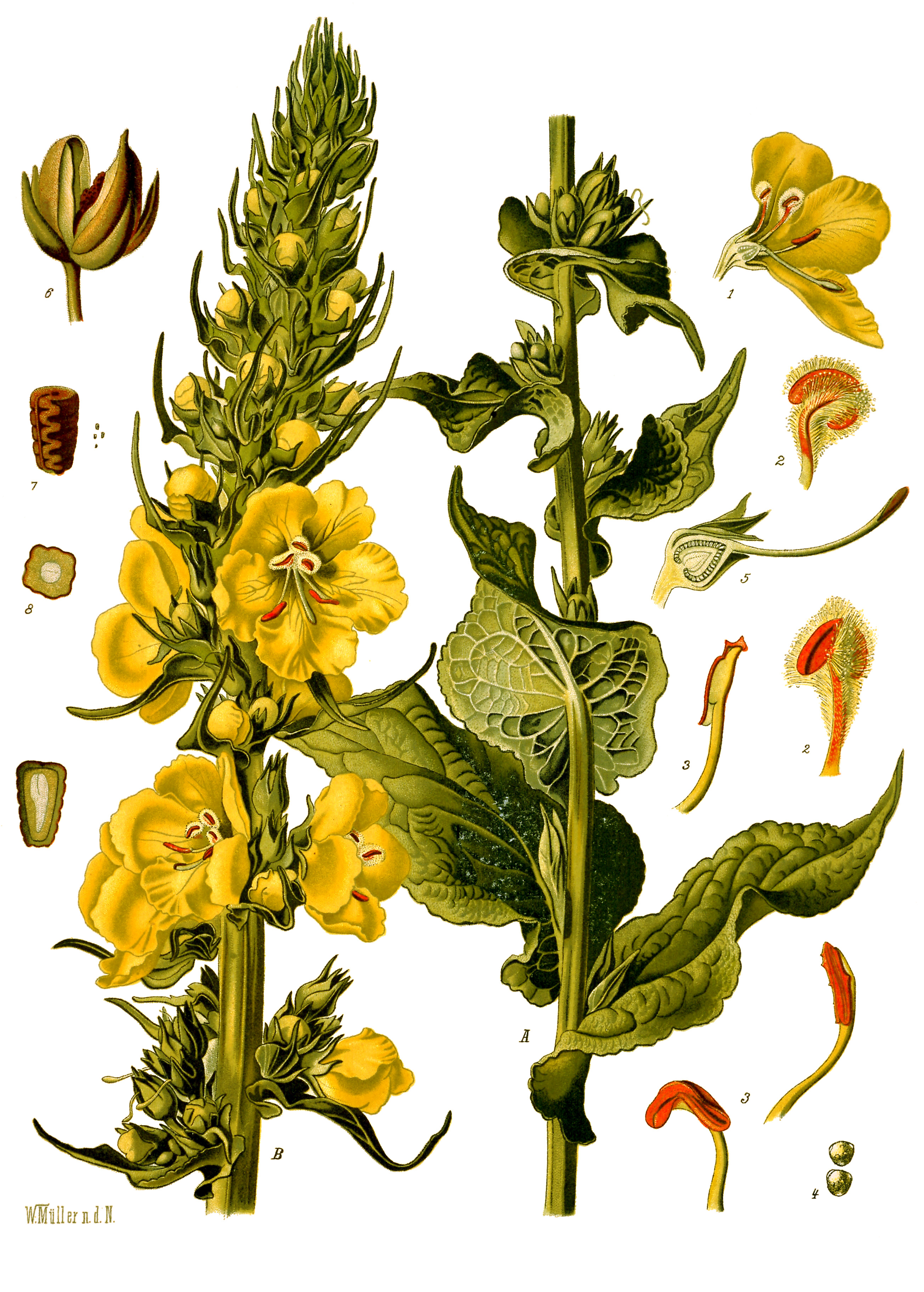
Mullein: Common Weed, Powerful Healer

MULLEIN (Verbascum)


Mullein Plant Botanical Illustration
Verbascum (Common Mullein) image: Wikipedia

Last week I was led to some some young mullein (also known as Verbascum, in the figwort family Scrophulariaceae). The plants were in a private, secluded un-sprayed spot. I am waiting for them to mature a bit more before I selectively harvest leaves for medicinal use. As always I harvest only what's necessary, keeping the plant intact. I also ask permission of the plant and give thanks afterward for its generosity.


Harvesting Mullein Plants for Medicinal Use
image: Sandra Crowell
So in a few days, on Sunday morning after the dew has lifted, I'll be collecting some of the young mullein leaves for teas and tinctures.

Teas and tinctures of mullein are used to help heal issues with the respiratory, gastrointestinal and urinary tracts. Mullein contains soothing demulcents that impart anti-inflammatory effects when used internally, and have anti-bacterial effects on the skin.

When the brilliant yellow but often-ignored yellow flowers begin blooming later this summer, I will be concocting:
  • a flower-infused oil, famous for earache
  • beeswax-based draw-out poultices for splinters and boils
  • analgesic salves especially for joint pain of the hands and feet (fresh mullein wrapping leaf included)
  • distilled essential oil concentrate of mullein flowers
Mullein flowers can be used for earache oil, analgesic salves, and to draw out skin impurities

All this from a "weed" considered to be noxious and invasive in Colorado.

I am still in the process of setting up my online store in which I'll be selling potions handcrafted from sustainably wildharvested, organically farmed healing plants such as mullein.

#planthealing #workingwithnature #apothecaryrasayana #wildcrafting #herbalism

Tuesday, January 28, 2014

Master Tonic


What I call Master Tonic is also sometimes known as Four Thieves Vinegar – there are a ton of different recipes and you can make this to take internally or use as a salve. But basically, Master Tonic is a concoction of roots and herbs steeped in vinegar. The resulting tincture is a powerful healer and immune system booster, especially during cold winter months. I dilute mine with water and administer it orally.

Master Tonic has anti-fungal, anti-bacterial and anti-viral properties and may help stave off colds, flu, fever. Almost any winter illness you can think of, Master Tonic can help. When taken daily as a preventative, it spreads sensations of warmth and well-being through your body. It's kind of like that good feeling that comes from drinking coconut water on a hot summer day.

The name “Four Thieves” comes from medieval times, when a band of thieves allegedly avoided contracting the highly contagious plague as they robbed houses of the ill. The reason is said to be because they used this tonic.

Sometimes the vinegar/herb mixture is applied topically, but those recipes call for ingredients like wormwood and camphor that are not necessarily suitable for internal use and can be difficult to find. There are essential oil blends you can buy commercially called just “Thieves” - they are usually based on cinnamon and clove extracts. It smells great but I find the edible tonic to be more effective at fighting illness.

Plague doctors would rub Thieves oil on pressure points and inside their plague masks in order to ward off germs. As a side note, how awesomely creepy are plague masks? The one below on the left is a beautiful replica of an original (pictured right), which you can buy from this talented artist.

Imagecredit: Tom Banwell Designs

My edible Master Tonic recipe uses easy-to-source, common vegetable roots that you probably already have in your kitchen (well, you might not have horseradish root laying around, but it's available in most supermarkets). Always use fresh, organic ingredients if possible.

I will vary my recipe depending on what's available and what my intuition is guiding me to concoct. Here is a Master Tonic I made back in November.

Horseradish
Ginger
Garlic
Shallot
Black Radish
White Onion
Turmeric Root
Hot peppers including jalapeno, habanero and Thai chiles

Four Thieves Vinegar Master Tonic - Left to right: Horseradish root, garlic, white onion, ginger root, shallot, black garlic, turmeric, Anaheim and serrano chiles, jalapeno pepper, habanero pepper, hot Thai chiles

Like I said you can vary the ingredients, but you should always include these five basics:

Horseradish
Ginger
Garlic
Onion
Peppers

You will want to wear gloves when handling horseradish root and hot peppers. Horseradish root is very strong smelling when grated (it will sting your nostrils and clear your sinuses)! Definitely wear gloves when working with hot peppers because otherwise the juices will soak into your skin and if you touch your eyes or any other mucous membrane even after washing your hands, it's gonna burn like crazy.

Peel and chop all the ingredients. A food processor is the easiest way to do the chopping, especially if you're making a big batch.

Four Thieves Vinegar Master Tonic - Roughly chopped vegetables rinsed and ready for food processor

Four Thieves Vinegar Master Tonic - processed  and mixed vegetables

Stir everything together well in a mixing bowl, then fill some canning jars about halfway full of the mixture. Then cover with vinegar and label the jars. That's pretty much it! I usually use apple cider vinegar because it's so much better for you than the other kinds. But this time I ran out of ACV, so I used mixtures of red wine and basic white vinegar for some of my jars. The taste will be slightly different but any vinegar will work. 

Four Thieves Vinegar Master Tonic - ready to store in cool dark place for 2-4 weeks

Store in a cool dark place for two weeks or up to a month. Strain out the liquid, re-bottle it, and use as needed. I usually fill a shot glass about 1/3 of the way full with tonic, then dilute with water. It also makes a good gargle for sore throats.

I like to use the leftover shredded vegetable matter in cooking. It makes a delicious salad dressing – just add lemon juice, olive oil, salt and pepper, and a bit of honey to balance out the tanginess. It also makes an excellent meat marinade, especially for grilled chicken – again just mix the grated vegetables with some cooking oil and viola.

This fiery tonic has so many uses and makes you feel so good - everyone should have a bottle on hand!

Wednesday, July 17, 2013

Consciousness

There is a part of you that is conscious of more than what you perceive via your senses. We'll call it your higher self. This "you" is not defined by your physical body, nor does it consist of your thoughts and beliefs. Although everything in the universe is connected and at some point in one's journey it can be beneficial to ponder the concepts of "one" and "universal consciousness," this higher awareness to which I refer comprises a discrete aspect of your individual personality.

Have you ever wondered, what's the benefit of karma if it manifests itself across many different lifetimes? What is the point of causal relationship if we cannot perceive the effects? For example, if a child suffering from abuse at the hands of his parents is actually Hitler reincarnated, what does the child gain from all this? Does the entity that used to be Hitler have any awareness that it's now a child, receiving just punishment for killing millions of Jews?

The answer lies in the way we're conditioned to define ourselves. "Who am I?" is a question asked by seekers probably since humans began to seek. Do you know who you are?

Monday, July 1, 2013

Essential Greens Juice Recipe

Put this in your juicing thingie and juice it.

Celery
Spinach
Parsley
Cucumber
Kale
Wheatgrass
Sunflower greens
Dandelion greens
Clover sprouts
Romaine lettuce

Remember when juicing: stems, leafy parts, and unsightly but-still-tasty bits of the vegetables that you might otherwise throw away can still be used! Plant parts that may be unsuitable for cooking are often totally fine for juicing! Obviously though, don't use anything past its prime.

I was gifted with a juicer about five years ago, and I absolutely love it. Here's a crap iPhone photo from a few years back.


One thing about juicing that nobody ever told me. If you have a sensitive stomach, you have to be careful. Drinking raw juice in the morning before I eat solid foods is hurlsville for me.

In other words, I absolutely believe in the health benefits of juicing when combined with a balanced, organic whole foods diet. Do I believe exclusive juice fasts should be done without professional supervision? No.

You are what you eat.

Namaste

Scolécite

Bought some crystals in Long Beach last week from the knowledgable folks at spiritoftheom.com. They had quite an impressive collection of specimens. It's not often I find stones I haven't heard of before and they had an opaque white stone streaked with translucent crystal that I was drawn to: scolecite.

One of the primary metaphysical properties of scolecite is that it “can gently enhance meditative and dream states.” I put it on my nightstand and had some interesting results right away. The most vivid was a dream about Burning Man, which I have never attended (at least not in this dimension, haha). In the dream there were a bunch of people dancing in the beds of art trucks, and they were all dressed in white and pistachio green. I was running around in the dream feeling like one would expect to feel at Burning Man, as if you'd found a whole other planet full of people who think just like you.

The key to understanding to any dream is to pinpoint the emotion(s) you felt in it. All my “scolecite-enhanced” dreams have been positive emotionally. Even my recurring apocalypse dreams feel different - more hopeful, if that's possible. I am not attributing that solely to the scolecite as I've also been doing a ton more exercise and yoga than usual, but the crystals seem to be helping, in the subtle ways in which crystals work.

Remember the amazing ice castle that Superman took Lois Lane to in “Superman 2”? Where he had to make a choice between having sex with her or losing his powers? (Probably the most underrated misogynistic plot twist in movie history.) That's what untumbled scolecite looks like.


Namaste

Thursday, June 20, 2013

Summer Solstice and Super Moon

Tomorrow (June 21) is summer solstice, and Sunday June 23 is a super full moon in Capricorn.

What this means is that things are going to get pretty emotional and crazy, and actually might already be for you. But not too much so. There are other astrological influences occurring that will serve to ground us somewhat.

It's an excellent time for manifestations and performing rituals, both spiritual and creative.

Going to a solstice meditation tomorrow morning, then hiking and foraging. On Saturday I'm doing a kundalini cleanse. I am not exactly sure what the latter entails, but should be interesting!

xoxo

Wednesday, June 19, 2013

Turmeric Ginger Herbal Root Decoction

Maybe it's because I'm the redheaded type of ginger, but I really love turmeric. Just gazing at the vibrant orangey-yellow color of it makes me feel more cheerful and alive. So when I see turmeric at the market and it looks fresh, I will buy a handful or two of the root.

Technically it's the rhizome (an upper section of the root) that is the part consumed - either fresh, or dried and powdered.

I bought some raw turmeric root yesterday because my joints have been bothering me - been doing more cardio and yoga lately and the body is adjusting... so I've prescribed myself a decoction twice a day for a month. Since my digestive system tends to get off-kilter, I'm adding ginger root; both ginger and turmeric stoke the digestive fires.

MEDICINAL BENEFITS OF TURMERIC
anti-inflammatory
anti-oxidant
antiseptic

The active ingredient in turmeric is a compound called curcumin, which is responsible for the spice's anti-inflammatory properties. Turmeric can be used internally, or applied topically to the skin.

Since most disease appears to be induced by inflammatory response, turmeric is potentially good for a huge range of illness. However, it's most commonly used for Alzheimer's disease, arthritis, asthma, certain cancers, colds and fever, cuts and wounds, diabetes, and gastrointestinal problems.

In cooking, turmeric is a popular spice in South Asian and Middle Eastern cuisines, as it is grown in those regions. It's also used worldwide as a natural food dye, the most common being mustard.

Check out my cutting board and stainless steel knife in the photos below. The stains came off the knife, but the cutting board will be glowing orange for a while. Also note my black stone countertops. If you have light-colored counters or any kind of formica you should protect all surfaces that you don't want to be dyed orange.

Powdered turmeric is the most popular, and I prefer it powdered for culinary use. But for medicinal herb applications, I love to start with the raw root and make a turmeric decoction.

The reason I make a decoction instead of an infusion is because turmeric is a root, therefore it needs more coaxing to extract its mojo, i.e. more heat for a longer time. With leaves you can make an infusion, which is basically like preparing a cup of tea. But with dense plant matter like roots, twigs and barks, you need a decoction.

Here's a brief description of how to make an herbal decoction of turmeric and ginger root:

Peel the roots. 

turmeric root for herbal decoction
turmeric and ginger root for herbal decoction

Chop up the pieces and then bruise the roots so the water can more easily absorb. I use a meat mallet, but you could try a mortar and pestle, or a clean hammer wrapped in plastic wrap, or whatever. Just keep in mind that raw fresh turmeric root will seriously stain anything it touches.

When bruising, I am pretty hard on the roots but stop short of pulverizing them. Kind of like bruising garlic, except these roots are more the consistency of soft carrots. 

extracting turmeric and ginger root for herbal decoction

Process enough turmeric and ginger to cover the bottom of a stainless steel saucepan, then dump the plant matter in and cover it almost to the top with water.


Bring to a boil, lower heat and simmer uncovered for at least 20 minutes. I usually simmer my decoctions anywhere from 30 minutes to an hour though. It's more bang for your buck and the decoction lasts longer. But cooking time depends on how you'll be using the decoction.

After 30 minutes it'll look something like this:

extracting turmeric and ginger root for herbal decoction

Turn off the heat, let the mixture cool a bit, then strain it through a colander or cheesecloth... you'll end up with a beautiful, intense red-orange liquid.

turmeric and ginger decoction

Bottle and store in the refrigerator for approximately 4-7 days. 


Please keep in mind that herb freshness at time of decoction will vary. And certain herbs will spoil in a decoction faster than others. Just like you would with food in your refrigerator, keep an eye on the freshness of your herbal preparations, and use common sense. Don't consume it if it's been sitting there forever; likewise, you don't have to throw it out after four days if it smells and tastes the same as it did when you first prepared it.

Here's a sexy Wikipedia photo of a turmeric flower:

turmeric flower india

The taste of this decoction is fresh and sweet, slightly astringent but not overly so. It tastes almost flowery due to the turmeric.

When I work with herbs for medicinal purposes I'm usually inspired on a culinary level too. Right now I'm thinking coconut turmeric lemongrass ice cream...

Namaste and xoxoxo

Monday, June 17, 2013

I Love My Organic Produce Box

At this point most people living in developed countries understand the difference between organic and conventional produce. Hopefully you're at least aware that eating organic is better for individual health as well as our environment, even if you're not sure exactly why.

In a nutshell, the use of organic fertilizers and pest control results in safer, fresher and better-tasting food for you and your family. Organic agriculture does not harm farm workers, and helps maintain long-term stability and fertility of the soil. It is absolutely not necessary to use toxic chemicals in order to produce bountiful crops. In fact the opposite is true - the synthetic pesticides and herbicides used by big agra actually, in the long run, harm everything they touch.

So why is Monsanto still in business? Why are we still dumping toxic chemicals on our food? It may seem like a mystery, but it really isn't.

One way to stop big agra is... stop giving them your money!

Don't buy oranges in the summer; oranges go in Christmas stockings. Asparagus is no good in October, but it's wonderful eaten in celebration of spring. What's good in October? Apples. Gorge yourself on tomatoes in summer and fall, but avoid buying them in winter and spring when they are bland-tasting and mealy in texture. 

Local organic farms, CSAs, delivery services, farmer's markets and health food stores usually don't even sell non-seasonal produce, although bigger health food chains do. Buying local, organic and seasonal means you aren't contributing to destructive agricultural practices and even better, you're eating in accord with your natural biorhythms.

Out-of-season produce that's been harvested early and ripens while in transit from a faraway country never tastes as good as the stuff that's been grown nearby and is allowed to come into its own freshness naturally. “Farm to table” may seem trendy but it's here to stay. Because once you get used to eating food that's bursting with life force and flavor, you just can't go back. 

I've experimented with several CSAs and delivery services, and I'm fortunate to live in Southern California, where truly amazing produce is available year-round. For the moment I've settled on Summerland. They're based in downtown Los Angeles and they are the best I've tried so far in terms of quality, selection and price. 

Here's a photo from end of November 2012. Summerland does a fabulous job of curating each organic produce box. There is never too much of one fruit or vegetable (a common problem with regular CSAs - where you receive, say, 14 eggplants instead of three or four; 10 onions instead of one).

summerland organic produce box
Organic produce box from December 2012: kale, green leaf lettuce, cantaloupe, avocado, lemon, Japanese eggplant, 
zucchini, garlic, red onion, plums, Persian cucumbers, cherry tomatoes, green grapes, thyme
If you live in a climate with long winters, you can still benefit from eating fresh, organic produce in the warmer months - there are organic farmers and farmer's markets across the country operating sometimes up to six months a year. If you're lucky enough to have a yard or even a strip of land, consider growing your own. And then there is canning... an adventure on which I am about to embark, and which will be documented here...

Anyway, at the very least you can shop at a health food store, or in the organic produce section of your chain grocer. Be aware that use of the word “organic” is not particularly regulated or standardized. Lots of companies slap the word “organic” or “natural” on their labels solely for marketing, when there's nothing organic about the product at all. Question everything and be a smart consumer, and remember that advertising and marketing campaigns are mostly lies made up to scare you into buying this or that, or paying more than you need to.

Mostly I eat fresh foods and consume very little from bags, cans or boxes, so I really only have to deal with the organic issue when I'm choosing produce. And I solve that mostly by eating what I get in my produce box, supplemented by trips to the farmer's market and occasionally a health food store.

If you really need to eat that conventional produce, which ones are the best for you, and the worst? How do you deal with the higher cost of food when you're on a budget? Those will be the topics of my next post on organic produce.

Namaste and thanks for reading!

Wednesday, June 5, 2013

Hello

My name's Jennifer and this is my blog about personal karma. The literal translation of the word "karma" is "action," and action is what this blog is about... personal, individual actions that can empower us to feel positive about our lifestyles and the impact we have on the earth.

I'll be posting about the following topics and more:

Alternative medicine
Alchemy
Astrology
Aromatherapy
Art therapy
Crystals
Feng shui
Herbalism
High magic
Nutrition
Energy healing
Shamanism
Spirituality

Tarot, runes, divination
Writing
Yoga

I'm available for readings, healings, crystal consultations and general guidance; please visit jenniferdgrant.com for more information about me and how to get in touch.

Also, due to high demand I'm working on an online store where I'll be selling limited quantities of my handcrafted, preservative-free health and beauty products, and maybe some charms or amulets, handmade incense, tinctures, teas etc...! I will post a link here when I get that up.

I'm excited to share some of the metaphysical information and technology I've been blessed to learn about over the years, and maybe even extend assistance to those in need...

Namaste and thank you for visiting my blog.